Digital Product Sales Platforms Compared: Which Beats Gumroad?

Digital Product Sales Platforms Compared: Which Beats Gumroad?
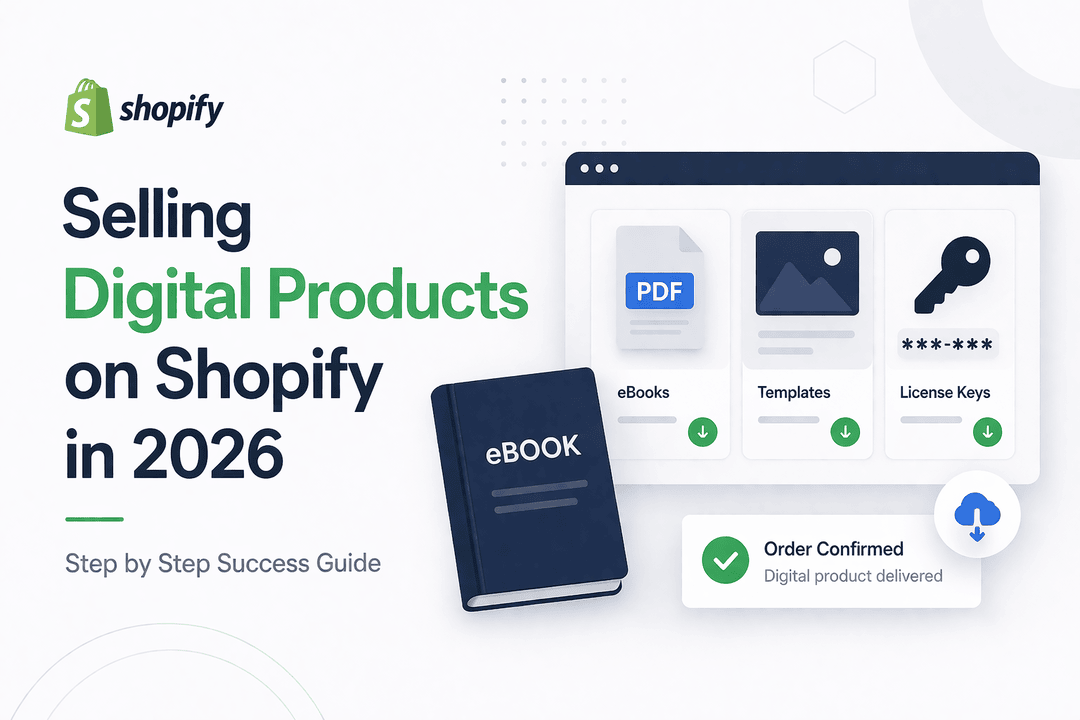
Selling digital products has become one of the fastest-growing online business models. Creators today sell everything from ebooks, online courses, templates, software licenses, and memberships entirely online.
But while the opportunity is massive, choosing the right digital product sales platform can determine whether your business grows—or stalls.
Many creators start with Gumroad because it’s simple. However, as their businesses grow, they often realize they need better tools for:
- Branding and customization
- Marketing automation
- Advanced analytics
- Lower transaction fees
- Scalability
This leads to the big question:
Which digital product platform actually beats Gumroad?
In this guide, we’ll compare the top digital product platforms in 2026 and evaluate them based on features, pricing, customization, marketing tools, and creator success.
Platforms compared in this guide:
- Shopify + Digitally
- Gumroad
- Lemon Squeezy
- Payhip
- Sellfy
By the end, you’ll know exactly which platform is the best fit for your digital product business.
The Digital Product Platform Landscape
The creator economy has exploded over the last decade.
Millions of creators now sell digital products such as:
- Ebooks
- Design templates
- Online courses
- Digital art
- Music
- Plugins
- Software licenses
- Memberships
According to industry estimates, the digital products market is worth hundreds of billions of dollars globally.
But selling digital products requires more than just uploading files. A modern digital product platform must handle:
- Secure file delivery
- Payments
- Product licensing
- Customer management
- Analytics
- Marketing integrations
This is why choosing the right platform matters.
What Makes a Great Digital Product Sales Platform?
Before comparing platforms, it’s important to define what actually makes a great digital product platform.
Here are the criteria used in this comparison.
1. Product Types Supported
A great platform should support multiple product types including:
- Digital downloads
- License keys
- Online courses
- Subscriptions
- Memberships
- Bundles
Flexibility allows creators to grow their product catalog over time.
2. Delivery Automation
Automation ensures customers receive their digital products instantly.
Key automation features include:
- Instant file delivery
- License key delivery
- Download limits
- Secure hosting
- Email notifications
Without automation, digital product businesses cannot scale.
3. Payment Options
Creators need flexible payment options for global audiences.
Important payment capabilities include:
- Credit cards
- PayPal
- Multiple currencies
- Subscription billing
- Tax/VAT support
Platforms that support multiple gateways typically perform better globally.
4. Customization and Branding
Brand control is extremely important for creators.
A strong platform should allow:
- Custom domains
- Branded storefronts
- Checkout customization
- Theme customization
Platforms with limited branding can make businesses appear less professional.
5. Marketing Tools
Successful creators rely heavily on marketing features like:
- Email marketing
- Affiliate programs
- Discount codes
- Upsells
- Bundles
- Integrations with marketing tools
Marketing capabilities often determine how fast a creator can grow.
6. Analytics and Reporting
Data helps creators understand:
- Which products sell best
- Customer behavior
- Conversion rates
- Revenue trends
Advanced analytics provide insights that drive growth.
7. Integrations
Modern businesses rely on integrations with tools like:
- Email marketing software
- CRM systems
- analytics tools
- automation platforms
Platforms with larger ecosystems allow more flexibility.
8. Scalability
Some platforms are great for beginners but struggle as businesses grow.
A scalable platform should support:
- Large product catalogs
- High traffic stores
- automation workflows
- advanced marketing tools
Top Digital Product Sales Platforms Compared
Let’s take a detailed look at the top five platforms used by creators today.
1. Shopify + Digitally (Best Overall Platform)
For creators who want full control, scalability, and professional storefronts, Shopify combined with the Digitally app is one of the most powerful solutions available.
Unlike simple creator platforms, Shopify allows businesses to build a complete branded store, while Digitally handles secure digital product delivery and automation.
Key Features
- Instant digital download delivery
- License key distribution
- Secure file hosting
- Unlimited digital products
- Subscription and membership support
- Custom storefronts
- advanced analytics
- automation workflows
Why Creators Choose Shopify + Digitally
Many creators eventually move to Shopify because of its flexibility.
Advantages include:
- Fully customizable storefront
- Access to thousands of Shopify apps
- Advanced marketing tools
- Better long-term scalability
Digitally enhances Shopify by adding digital product delivery features specifically designed for creators.
Best For
- Professional creators
- Scaling digital businesses
- SaaS founders selling licenses
- Course creators
- Template sellers
2. Gumroad
Gumroad is one of the most well-known platforms for selling digital products.
It focuses on simplicity and minimal setup.
Creators can upload a product, set a price, and start selling quickly.
Key Features
- Simple product setup
- Hosted product pages
- built-in payment processing
- subscriptions
- affiliate tools
Limitations
Despite its popularity, Gumroad has several limitations.
These include:
- Limited customization
- limited integrations
- higher transaction fees
- minimal branding control
Because of these restrictions, many growing creators eventually migrate to more advanced platforms.
3. Lemon Squeezy
Lemon Squeezy is popular among software developers and SaaS creators.
It focuses heavily on software licensing and SaaS payments.
Key Features
- Software license key management
- Subscription billing
- Global tax compliance
- developer-friendly API
Best For
- Software developers
- SaaS startups
- developers selling plugins
4. Payhip
Payhip is a beginner-friendly platform for creators selling ebooks, courses, and downloads.
Key Features
- digital downloads
- memberships
- course hosting
- affiliate marketing
Limitations
While easy to use, Payhip offers fewer advanced features compared to larger platforms.
5. Sellfy
Sellfy is an all-in-one ecommerce platform designed for creators selling digital and physical products.
Key Features
- storefront builder
- digital product delivery
- subscription products
- marketing tools
Feature Comparison Matrix
Feature | Shopify + Digitally | Gumroad | Lemon Squeezy | Payhip | Sellfy |
|---|---|---|---|---|---|
Digital Downloads | Yes | Yes | Yes | Yes | Yes |
License Keys | Yes | Limited | Yes | No | No |
Custom Storefront | Full | Limited | Limited | Limited | Moderate |
Checkout Customization | Advanced | Minimal | Moderate | Basic | Moderate |
Marketing Integrations | Extensive | Limited | Moderate | Basic | Moderate |
Analytics | Advanced | Basic | Moderate | Basic | Moderate |
API Access | Yes | Limited | Yes | No | Limited |
Mobile Apps | Yes | No | No | No | No |
Scalability | High | Moderate | High | Low | Moderate |
Pricing Comparison
Pricing can dramatically impact profitability for digital product creators.
Below is a breakdown of the major platforms.
Platform | Monthly Cost | Transaction Fee |
|---|---|---|
Shopify + Digitally | Shopify plan + small app fee | Low |
Gumroad | Free plan | Up to 10% |
Lemon Squeezy | Free | ~5% + |
Payhip | Free | 5% |
Sellfy | $29+ | 0% |
Total Cost at Different Revenue Levels
Example comparison at $10,000 monthly revenue:
Platform | Estimated Fees |
|---|---|
Shopify + Digitally | Low gateway fees |
Gumroad | ~$1000 |
Lemon Squeezy | ~$500 |
Payhip | ~$500 |
Sellfy | $29 subscription |
This is why transaction-fee platforms become expensive as creators scale.
User Experience Comparison
Creator Dashboard
Shopify offers one of the most advanced dashboards for managing products, customers, and analytics.
Gumroad focuses on simplicity but lacks deeper insights.
Customer Purchase Flow
The purchase flow affects conversion rates.
Shopify allows full checkout customization, which can significantly improve conversions.
Mobile Experience
Mobile shopping now accounts for a large percentage of ecommerce traffic.
Shopify stores are highly optimized for mobile purchases.
Customization Comparison
Customization is where platforms differ the most.
Platform | Customization Level |
|---|---|
Shopify + Digitally | Full |
Gumroad | Low |
Lemon Squeezy | Moderate |
Payhip | Limited |
Sellfy | Moderate |
Creators who want full brand control typically prefer Shopify.
Marketing Tools Comparison
Tool | Shopify + Digitally | Gumroad | Lemon Squeezy | Payhip | Sellfy |
|---|---|---|---|---|---|
Discount Codes | Yes | Yes | Yes | Yes | Yes |
Email Marketing | Integrations | Basic | Limited | Basic | Basic |
Affiliate Programs | Apps | Yes | Yes | Yes | Yes |
Upsells | Yes | Limited | No | No | Yes |
Analytics and Reporting
Data is critical for optimizing digital product businesses.
Shopify provides detailed reports including:
- sales analytics
- customer data
- marketing attribution
- conversion tracking
Most creator-focused platforms offer only basic analytics.
Integration Ecosystem
One of the biggest advantages of Shopify is its massive app ecosystem.
Creators can integrate with:
- email marketing tools
- CRM systems
- analytics platforms
- automation software
This makes Shopify significantly more flexible than most standalone creator platforms.
Customer Support Comparison
Platform | Support |
Shopify + Digitally | 24/7 support |
Gumroad | Email support |
Lemon Squeezy | |
Payhip | |
Sellfy |
Real User Ratings (Across Review Platforms)
Average ratings across platforms like G2, Capterra, and Trustpilot:
Platform | Average Rating |
|---|---|
Shopify | 4.6 / 5 |
Gumroad | 4.2 / 5 |
Lemon Squeezy | 4.5 / 5 |
Payhip | 4.4 / 5 |
Sellfy | 4.3 / 5 |
Which Platform Wins Each Category?
Category | Winner |
|---|---|
Customization | Shopify + Digitally |
Marketing Tools | Shopify |
Analytics | Shopify |
Simplicity | Gumroad |
Software Licensing | Lemon Squeezy |
Beginner Friendly | Payhip |
Overall Rankings
1️⃣ Shopify + Digitally
2️⃣ Lemon Squeezy
3️⃣ Gumroad
4️⃣ Sellfy
5️⃣ Payhip
Final Verdict
While Gumroad is a popular starting point, it isn’t always the best long-term solution for growing creators.
Platforms like Shopify combined with Digitally provide:
- better branding
- stronger marketing tools
- advanced analytics
- lower long-term fees
- greater scalability
For creators who want to build a serious digital product business, a flexible ecommerce platform often wins.
How to Choose the Right Platform
When deciding between digital product platforms, consider:
Choose Shopify + Digitally if:
- you want full brand control
- you plan to scale your business
- you need automation and integrations
Choose Gumroad if:
- you want the simplest possible setup
Choose Lemon Squeezy if:
- you sell software licenses
Try the Top Digital Product Platform
If you're serious about selling digital products at scale, the best option is to use Shopify with Digitally.
It combines the power of a full ecommerce platform with automated digital delivery, helping creators build professional stores and grow their revenue.
👉 Start selling digital products today with Digitally on Shopify.
Frequently Asked Questions
The best platform for selling digital products depends on your business needs. Some creators prefer simple tools like Gumroad for quick setup, while others choose scalable solutions like Shopify with digital delivery apps like digitally. Platforms that provide automation, customization, and marketing integrations are usually better for long-term growth.
Gumroad remains a popular platform for beginners because it is easy to set up and requires minimal technical knowledge. However, many growing creators eventually look for alternatives due to limited customization, fewer integrations, and higher transaction fees compared to other digital product sales platforms.
For creators planning to scale, platforms with advanced customization, integrations, and analytics often outperform Gumroad. For example, Shopify combined with Digitally allows creators to run a fully branded store while automating digital product delivery, making it a strong option for long-term growth.
When choosing a digital product platform, important features include:
- Secure digital file delivery
- Subscription and membership support
- Payment gateway flexibility
- Marketing tools such as discount codes and affiliates
- Analytics and reporting
- Integrations with email and marketing software
These features help creators automate sales and grow their businesses efficiently.
Yes, Shopify can be used to sell digital products with the help of digital delivery apps. For example, apps like Digitally allow creators to automatically deliver files, distribute license keys, and manage digital downloads directly from their Shopify store.
Fees vary depending on the platform. Some platforms charge transaction fees, while others require monthly subscriptions. For example:
- Gumroad charges a percentage of each sale
- Payhip offers a free plan with transaction fees
- Sellfy uses a subscription model
Using platforms like Shopify with Digitally can reduce long-term costs because creators mainly pay standard payment gateway fees instead of high platform commissions.
Digitally
digital product sales platforms
gumroad comparison
best platforms for selling digital products
shopify digital downloads
sell digital products on shopify
digital download platforms

Digitally ‑ Digital Products
Sell files, e-books, license keys, promo codes & digital links
 Install Now